
Youth for Peace (UNESCO)
Strengthening Unity in the Digital Age
Inspired by Mauritius’ rich migratory heritage, this initiative promotes intercultural dialogue, digital responsibility, and peace by empowering youth, women, and migrant communities to engage safely and respectfully online.
About the Programme
The Youth for Peace: UNESCO Intercultural Leadership Programme addresses a growing global challenge: the need for leaders who can work across cultural, social, and ideological differences to build cooperation, prevent conflict, and strengthen social cohesion.
At its core, the programme is grounded in intercultural leadership—the capacity to lead inclusively, build trust among diverse communities, and translate dialogue into collective action. It is designed to prepare a new generation of leaders who can navigate complexity and turn diversity into a source of resilience, innovation, and peace.
The programme adopts a comprehensive approach that combines targeted leadership development, financial support, mentorship, and access to international platforms. Young Leaders are supported to design and implement impactful, community-based initiatives that advance intercultural understanding and social cohesion. At the same time, lessons emerging from these grassroots actions are elevated to inform broader institutional thinking and policy discussions, strengthening systemic support for intercultural leadership worldwide.
Through this dual focus on local action and global engagement, the programme cultivates an international community of practice and positions intercultural leadership as a critical lever for conflict prevention, inclusive governance, and sustainable development. It contributes directly to UNESCO’s Road to Peace initiative, advances the Sustainable Development Goals—particularly SDG 16 on peace, justice, and strong institutions—and supports the wider United Nations prevention and resilience agenda.
Why This Matters
Digital spaces increasingly mirror social tensions. In multilingual and multicultural societies like Mauritius, unmoderated content, fake profiles, and misinformation can escalate division and harm real lives.
Rise in online hate speech and misinformation
Threats to intercultural trust and social harmony
Digital gaps between access and responsibility
Strengthening digital literacy is essential to protect peace, dignity, and democratic values.
Our Focus Areas

Leadership Development
Each year, 50 exceptional Young Leaders from diverse regions are selected for an intensive learning cycle. The programme strengthens skills in intercultural leadership, dialogue facilitation, collaborative project design, systems thinking, and responsible digital engagement—supported by newly developed tools and methodologies from UNESCO.

Community-Based Action & Peer-Led Digital Engagement
Young Leaders receive grants and sustained mentorship to design community-driven initiatives addressing local intercultural challenges. Through peer-led digital literacy training, communities build local ownership, develop Digital Champions and Ambassadors for Peace, and foster a lasting culture of inclusion, responsibility, and intercultural dialogue.

Policy Engagement & Global Exchange
Grassroots innovation is connected to global dialogue through the Global Youth Dialogue for Peace—an annual forum bringing together Young Leaders, alumni, and senior stakeholders. This platform elevates community experiences, scales effective practices, and contributes to forward-looking policy frameworks for peace and inclusion.

Sustainability, Community Media & Knowledge Sharing
The programme invests in long-term impact through community-managed digital media spaces—websites, online platforms, and social groups—that enable safe storytelling, collaboration, and resource sharing. An active alumni network, annual Insights Report, and the Global Intercultural Action Observatory ensure learning, visibility, and engagement continue well beyond each project cycle.
What We Do
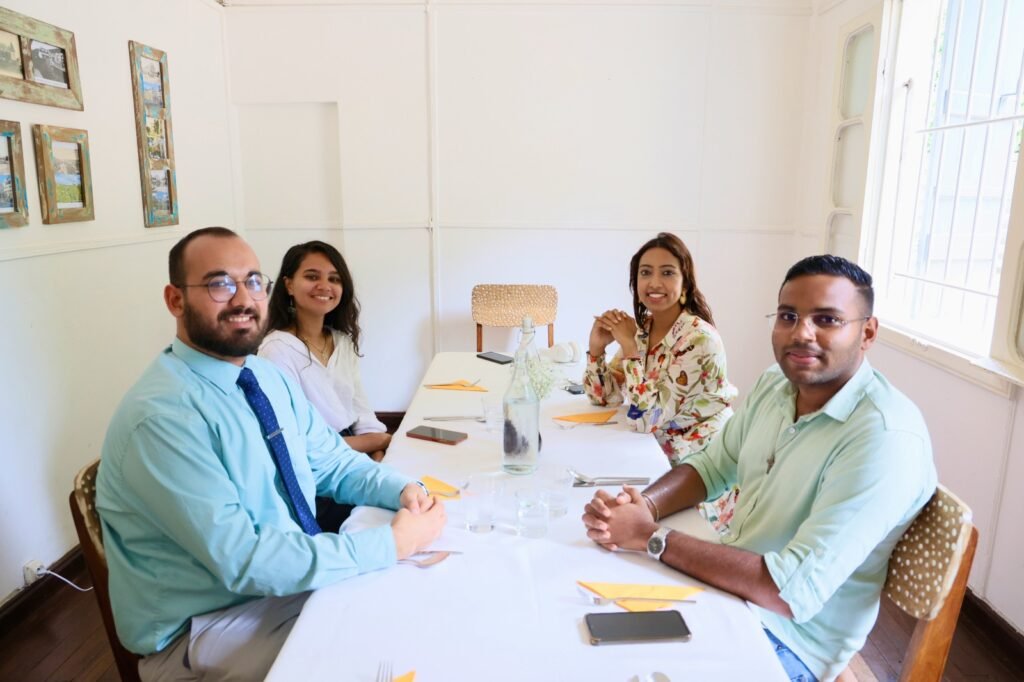
- Interactive workshops on digital literacy & online ethics
- Storytelling sessions sharing lived experiences across communities
- Youth-led awareness campaigns on social media
- Multistakeholder dialogues with institutions & civil society
Who We Work With
Youth & Digital Natives
Young people who are active in digital spaces and eager to become responsible digital citizens, peer educators, and advocates for intercultural dialogue, peace, and ethical online engagement.
Women & Migrant Communities
Women and individuals from migrant and diverse cultural backgrounds who seek safe spaces to share experiences, strengthen digital resilience, and actively participate in inclusive dialogue and community leadership.
Educators, NGOs & Policymakers
Teachers, civil society actors, and decision-makers committed to fostering digital literacy, social cohesion, and policy frameworks that promote peace, inclusion, and responsible digital engagement.
About the Programme
The Youth for Peace: UNESCO Intercultural Leadership Programme addresses a growing global challenge: the need for leaders who can work across cultural, social, and ideological differences to build cooperation, prevent conflict, and strengthen social cohesion.
At its core, the programme is grounded in intercultural leadership—the capacity to lead inclusively, build trust among diverse communities, and translate dialogue into collective action. It is designed to prepare a new generation of leaders who can navigate complexity and turn diversity into a source of resilience, innovation, and peace.
The programme adopts a comprehensive approach that combines targeted leadership development, financial support, mentorship, and access to international platforms. Young Leaders are supported to design and implement impactful, community-based initiatives that advance intercultural understanding and social cohesion. At the same time, lessons emerging from these grassroots actions are elevated to inform broader institutional thinking and policy discussions, strengthening systemic support for intercultural leadership worldwide.
Through this dual focus on local action and global engagement, the programme cultivates an international community of practice and positions intercultural leadership as a critical lever for conflict prevention, inclusive governance, and sustainable development. It contributes directly to UNESCO’s Road to Peace initiative, advances the Sustainable Development Goals—particularly SDG 16 on peace, justice, and strong institutions—and supports the wider United Nations prevention and resilience agenda.
Programme Focus Areas
The Youth for Peace: UNESCO Intercultural Leadership Programme is delivered through an annual cycle structured around four interconnected pillars:
1. Leadership development
Each year, 50 exceptional Young Leaders from diverse regions are selected based on their commitment, experience, and demonstrated impact. They take part in an intensive learning programme aligned with the annual thematic focus, strengthening their skills in intercultural leadership, dialogue facilitation, collaborative project design, systems thinking, and responsible digital engagement. Each cycle is supported by newly developed UNESCO tools, guidelines, and methodologies, ensuring that knowledge generated through the programme is shared widely.
2. Community-based action and peer-led digital engagement
Young Leaders receive financial grants and sustained mentorship to design and implement high-impact, community-driven initiatives that respond to local intercultural challenges. A core component of this pillar is peer-led digital literacy training, which empowers community members to become both learners and facilitators.
By adopting a peer-led model, the programme promotes local ownership and accountability, enabling communities to continue delivering training independently beyond the project lifecycle. Through the development of networks of local trainers, skills and knowledge are transferred continuously without reliance on external experts, fostering a culture of responsible digital citizenship, inclusion, and intercultural dialogue.
As part of this approach, communities identify and support “Ambassadors for Peace” and “Digital Champions”—grassroots role models who promote intercultural understanding, peacebuilding, and safe digital engagement. These ambassadors act as mentors to new volunteers, creating a cycle of leadership renewal that sustains momentum, strengthens community trust, and nurtures a new generation of locally rooted change-makers, in line with both the programme’s objectives and UNESCO’s broader vision.
3. Policy engagement and global exchange
The programme connects grassroots innovation with global policy dialogue through the Global Youth Dialogue for Peace, a flagship annual forum. This platform brings together Young Leaders, alumni, and senior stakeholders to exchange insights, elevate community-level experiences, scale effective practices, and contribute to forward-looking policy frameworks that advance intercultural dialogue, peace, and inclusion.
4. Sustainability, community media, and knowledge sharing
To ensure long-term impact, the programme invests in a self-sustaining ecosystem of intercultural leadership and digital community-building. This includes the creation of shared, community-managed digital media spaces—such as websites, online platforms, and social media groups—that serve as safe environments for storytelling, cultural exchange, peer support, and resource sharing.
These digital spaces function both as living repositories for project materials and as interactive hubs for continued collaboration, ensuring visibility, engagement, and learning long after project completion. Complementing this local infrastructure, the programme supports an active alumni network, produces an annual Insights Report to inform national and global policymaking, and maintains the Global Intercultural Action Observatory to document good practices, innovations, and emerging trends worldwide.
Together, these mechanisms reinforce a durable ecosystem of knowledge, leadership, and digital participation—ensuring that intercultural dialogue, inclusion, and peace remain embedded at the community level and sustained over time.
Expected Impact
Increased awareness of digital risks and responsibilities
Stronger intercultural empathy and respectful dialogue
Youth empowered as digital peace ambassadors
Reduced tolerance for online hate and misinformation
Collaboration & Alignment
The project works alongside educational institutions, civil society, community leaders, and international partners to strengthen social cohesion and digital ethics.
Aligned with the UN Sustainable Development Goals:
• SDG 4 (Quality Education)
• SDG 10 (Reduced Inequalities)
• SDG 16 (Peace & Justice)
• SDG 17 (Partnerships)
Join the Movement for Digital Peace
Together, we can ensure that technology becomes a bridge for understanding—not a source of division.